



Natural Cleaning and Care: Benefits of Kitchen Loofah
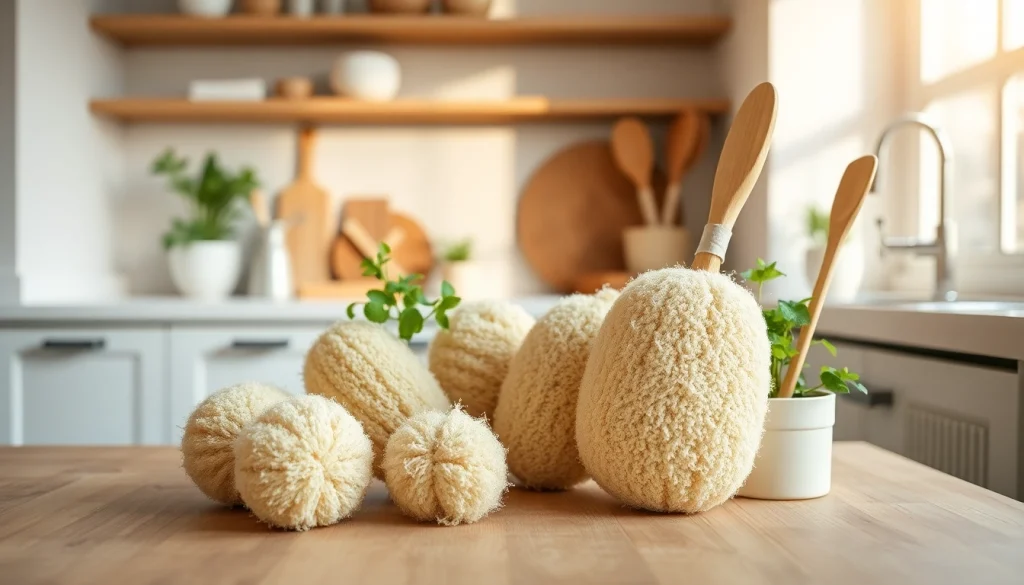
Understanding Kitchen Loofah and Its Uses
What is a Kitchen Loofah?
The kitchen loofah, often referred to simply as loofah, is a versatile natural sponge derived from the fibrous interior of the mature fruit of the luffa plant, a member of the cucumber family. Once the fruit is fully ripened, it is harvested, dried, and processed to create a soft, porous cleaning tool suitable for various applications in the kitchen and beyond. Unlike synthetic sponges, a kitchen loofah is completely biodegradable, making it an environmentally friendly choice for those looking to reduce plastic waste. Utilizing kitchen loofah can enhance your cleaning routine while promoting a sustainable lifestyle.
Common Uses Around the House
A kitchen loofah is surprisingly multipurpose. Here are some common uses:
- Dishwashing: Its fibrous texture makes it effective for scrubbing pots, pans, and dishes without scratching surfaces.
- Countertop Cleaning: Use a kitchen loofah with your favorite natural cleaner to wipe down counters, leaving them spotless.
- Surfaces and Appliances: Loofahs can be beneficial for removing grime from kitchen appliances, cabinets, and even stovetops.
- Body Scrub: Many users appreciate the skin-exfoliating properties when used in bathing routines.
- Gardening: Natural loofah can be used as a biodegradable plant support, helping seedlings grow.
Why Choose Natural Cleaning Tools?
The impetus for choosing natural cleaning tools like a kitchen loofah stems from growing environmental awareness. Here are several reasons to consider:
- Biodegradability: Unlike synthetic sponges, kitchen loofahs naturally decompose when disposed of, reducing landfill waste.
- Non-Toxic: Made from natural fibers, kitchen loofahs do not harbor harmful chemicals, ensuring food preparation areas remain safe.
- Reduced Plastic Consumption: Using a kitchen loofah contributes to a decline in plastic usage, promoting sustainability.
Choosing the Right Kitchen Loofah
Types of Kitchen Loofahs Available
When selecting a kitchen loofah, you may encounter different varieties based on size, texture, and intended use.
- Whole Loofahs: These are the full-sized, dried fruits of the loofah plant, providing maximum scrubbing power.
- Loofah Pads: Comprised of several loofah slices, these pads are designed for gentle scrubbing.
- Exfoliating Bath Loofahs: Often softer for body scrubbing, these loofahs can also serve as kitchen aids.
Key Features to Look For
To ensure you choose a high-quality kitchen loofah, consider the following features:
- Texture: Look for a loofah with a firm texture for scrubbing. Soft loofahs are better for gentle cleaning.
- Size: Select the right size based on what you’ll be cleaning. Larger loofahs can handle bigger jobs, while smaller ones fit into tight spaces.
- Organic Certification: If possible, opt for organically grown loofahs lacking pesticides.
Best Practices for Selection
Selecting the right kitchen loofah requires a few thoughtful considerations:
- Assess your cleaning needs—determine if you need something more abrasive or gentle.
- Research brands and their sourcing for organic options.
- Consider purchasing loofahs that come with packaging stating they are chemical-free.
- Think about the type of cleaning you do regularly and select sizes accordingly.
Maintaining Your Kitchen Loofah
Cleaning and Sanitizing Tips
To maximize the lifecycle of your kitchen loofah, proper maintenance is essential:
- After each use, rinse the loofah thoroughly under hot water to remove soap and food residue.
- Occasionally soak it in a diluted solution of vinegar and water to sanitize.
- Allow your loofah to air-dry completely in a well-ventilated area to prevent mildew and odors.
How to Dry and Store Properly
Storing your kitchen loofah correctly can greatly prolong its lifespan:
- Always store your loofah in a dry, airy place to prevent dampness, which leads to mold.
- Consider using a loofah holder that promotes airflow or tying it up to hang dry.
- Store loofahs away from kitchen sinks or high-moisture areas if possible.
Signs It’s Time to Replace
Even the best kitchen loofahs have an expiration date. Here are signals that it may be time for a replacement:
- A noticeable odor that doesn’t dissipate after cleaning.
- Visible wear and tear, including fraying or thinning.
- Dark spots or mold indicating that the loofah isn’t sanitizing properly anymore.
Benefits of Using Kitchen Loofah
Eco-Friendly Approach to Cleaning
The environmental benefits of using a kitchen loofah are significant. Traditional sponges are often made from synthetic materials, contributing to plastic pollution. In contrast, a kitchen loofah is a sustainable choice, creating less waste and reducing your carbon footprint.
Skin Benefits During Use
Using a kitchen loofah for bathing has numerous advantages for the skin. Its natural exfoliating properties help to slough off dead skin cells, revealing fresh skin underneath. This process can improve circulation and promote overall skin health, giving you a natural glow.
Cost-Effective Cleaning Solutions
Natural cleaning tools, like the kitchen loofah, can also lead to cost savings. Given their durability and biodegradability, they often last longer than synthetic alternatives. Over time, this can save you money while still achieving effective cleaning results.
FAQs on Kitchen Loofah
How long does a kitchen loofah last?
A kitchen loofah typically lasts 4 to 6 weeks with proper care. Signs of wear or odor indicate it should be replaced sooner.
Can kitchen loofahs be composted?
Yes, kitchen loofahs are biodegradable and can be composted. Just ensure no synthetic additives are included.
Is a kitchen loofah safe for all surfaces?
Kitchen loofahs are safe for most surfaces but always conduct a spot test on delicate materials like non-stick cookware.
How to know if the loofah is organic?
To identify an organic loofah, look for certifications or labels indicating it’s grown without synthetic pesticides.
Are there any alternatives to kitchen loofah?
Yes, alternatives include natural sponges, cotton dishcloths, and cellulose sponges—all eco-friendly options for cleaning.