What is a Powertrain Extended Warranty?
Definition and Key Components
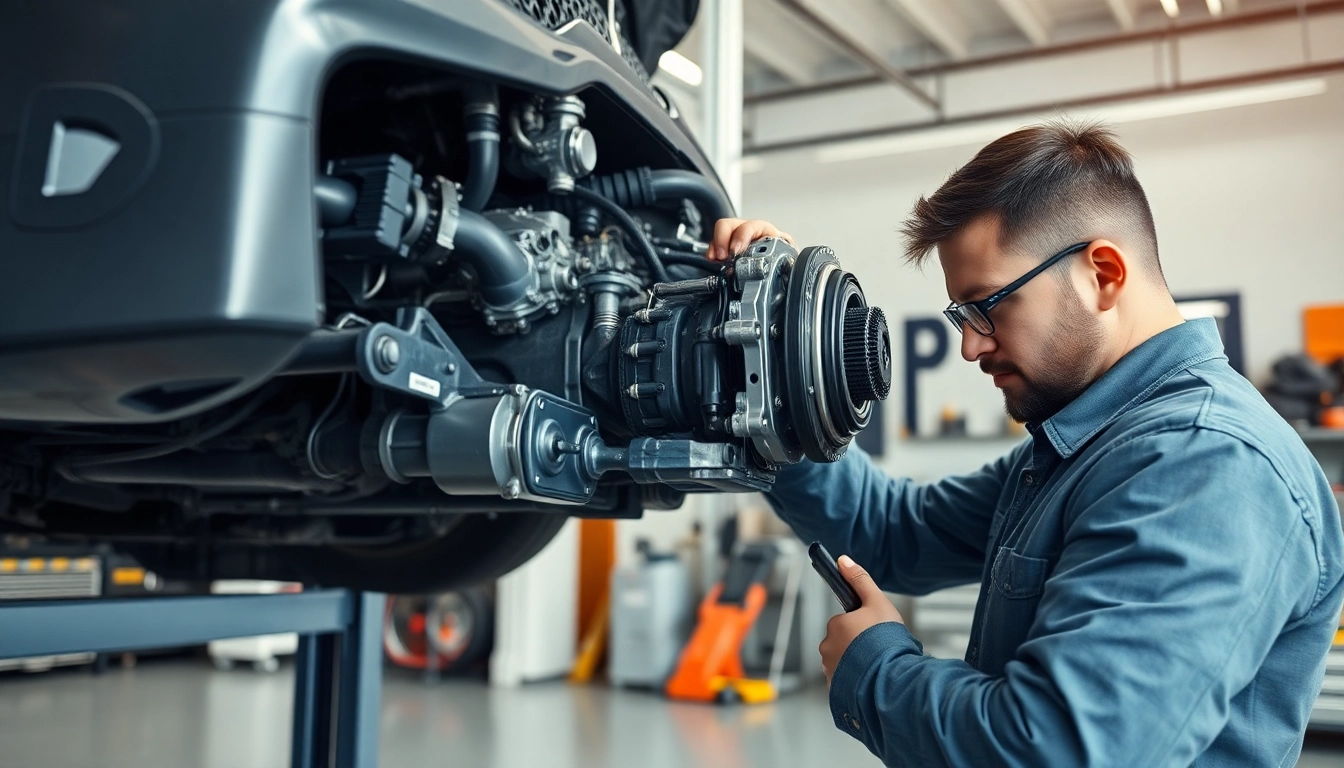
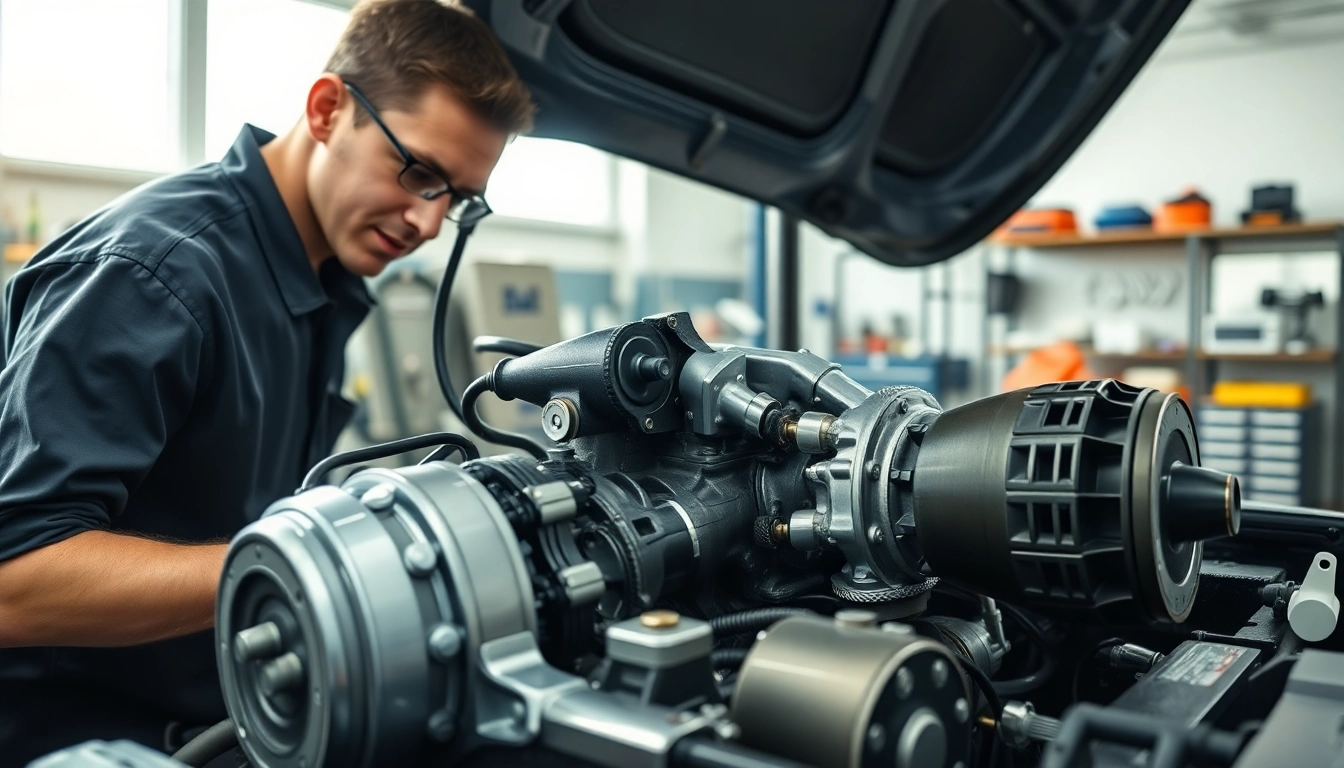
A powertrain extended warranty is an agreement that guards your vehicle’s vital mechanical parts from unforeseen repair costs, specifically covering the engine, transmission, and drivetrain components. Unlike the basic powertrain warranty offered by manufacturers—which typically lasts for a limited time—the extended version gives you the option to continue the protection beyond the initial coverage period. This warranty extends assurance to vehicle owners, ensuring the critical components of their cars are safeguarded against failure and the hefty repair costs associated with such failures.
Difference Between Powertrain and Bumper-to-Bumper Warranty
Understanding the distinctions between a powertrain and a bumper-to-bumper warranty is crucial. While a powertrain warranty specifically covers components directly related to the vehicle’s propulsion system, a bumper-to-bumper warranty offers comprehensive coverage that includes nearly all parts of the vehicle except for typical wear-and-tear items. The bumper-to-bumper warranty typically spans a shorter duration than powertrain warranties but provides broader coverage. For many car buyers, the optimal choice hinges on personal circumstances, such as how long they plan to keep their vehicle and the specific components they wish to protect.
Duration and Coverage Limits
The duration of a powertrain extended warranty can significantly vary depending on the provider, vehicle make, and model. However, it often lasts anywhere from 5 to 10 years or up to 100,000 miles. Coverage limits may also vary; typically, the most critical components such as the engine, transmission, and driveshaft are included but some exclusions might apply. It is essential to evaluate the specific terms of your contract and understand which components are covered.
Benefits of Powertrain Extended Warranty
Protection Against High Repair Costs
One of the most significant advantages of purchasing a powertrain extended warranty is the financial protection it affords against high repair bills. The engine and transmission can incur steep repair costs, often amounting to thousands of dollars. For instance, a transmission replacement can run anywhere from $1,200 to $5,000. By having the warranty in place, vehicle owners can avoid unexpected financial strains, allowing them to budget more effectively in the long run.
Increased Resale Value
When considering the resale market, cars with an active powertrain extended warranty can often command a higher price. Buyers are generally more inclined to purchase a vehicle that comes with a warranty because they feel more secure knowing that major components are covered. This added peace of mind can make a substantial difference in sale negotiations, thereby increasing the overall resale value of the vehicle.
Peace of Mind for Vehicle Owners
Owning a vehicle can be stressful, especially when it comes to the inevitable repair costs that arise after the manufacturer warranty expires. A powertrain extended warranty alleviates this worry by ensuring that the most expensive components are protected. This peace of mind allows vehicle owners to enjoy their cars without constant apprehension about potential mechanical failures, thereby enhancing the overall driving experience.
Common Misconceptions about Powertrain Extended Warranty
Are They Worth the Cost?
Many potential customers have reservations about the cost versus benefits of a powertrain extended warranty. While upfront expenses can seem steep, the warranty often pays for itself several times over with just a single major repair. It is essential to analyze your individual driving habits, the reliability of the vehicle in question, and your financial situation when weighing the worth of this warranty.
Coverage Scope Clarified
Another common misconception is the notion that powertrain extended warranties cover ALL vehicle components. This is not the case. As noted earlier, these warranties primarily protect the powertrain specifics—engine, transmission, and drivetrain. Make sure to read through the coverage documents thoroughly to understand what is specifically included and excluded, thus preventing any misleading assumptions.
Claim Process Explained
Many consumers fear that the claims process associated with warranty services can be convoluted or troublesome. In reality, filing a claim under your powertrain extended warranty can be more straightforward than anticipated. Most providers offer a streamlined process, which entails contacting their claims hotline or servicing department with relevant information about the problem and proof of service. It is also advisable to retain records of all maintenance work performed on the vehicle to facilitate the claims process.
Choosing the Right Powertrain Extended Warranty Plan
Evaluating Different Providers
Not all powertrain extended warranties are created equal. It is essential to evaluate several options before deciding on a provider. Look for firms with solid reputations, excellent customer reviews, and comprehensive service offerings. A good provider should also be transparent regarding terms, conditions, and exclusions. Take the time to compare plans, seeking assistance from automotive experts or consumer protection agencies when necessary.
Key Factors to Consider
Several key factors should influence your choice when selecting a powertrain extended warranty. First, consider the coverage duration; longer terms generally offer better value. Also, assess the components covered, the deductibles involved, and whether usage limitations apply (e.g., mileage). Lastly, confirm the claims process is consumer-friendly, as complicated procedures can add stress to warranty ownership.
Reading the Fine Print
Fine print can often contain crucial yet overlooked details that can significantly affect the warranty’s value. Take the extra time to understand all aspects of the agreement, including exclusions, limitations, and conditions that may void the warranty. This diligence will enable you to make informed decisions and avoid pitfalls down the line.
FAQs About Powertrain Extended Warranty
What components are covered under a powertrain extended warranty?
A powertrain extended warranty typically covers essential components such as the engine, transmission, and drivetrain, safeguarding against expensive repairs.
Is a powertrain warranty worth it?
Investing in a powertrain warranty can be beneficial for those wanting to protect major components and mitigate high repair costs, making it worth considering based on your vehicle and usage.
Can I extend my powertrain warranty?
Yes, many manufacturers provide options to extend powertrain warranties based on a vehicle’s age and mileage, allowing coverage to continue after the original term lapses.
What are the average costs of a powertrain extended warranty?
Costs can vary greatly by vehicle make, model, and coverage terms, but they generally range from a few hundred dollars to several thousand, depending on the specifics.
How to file a claim for my powertrain warranty?
Filing a claim usually involves contacting your warranty provider, submitting necessary documentation, and possibly allowing for vehicle inspection to ensure coverage is applicable.