
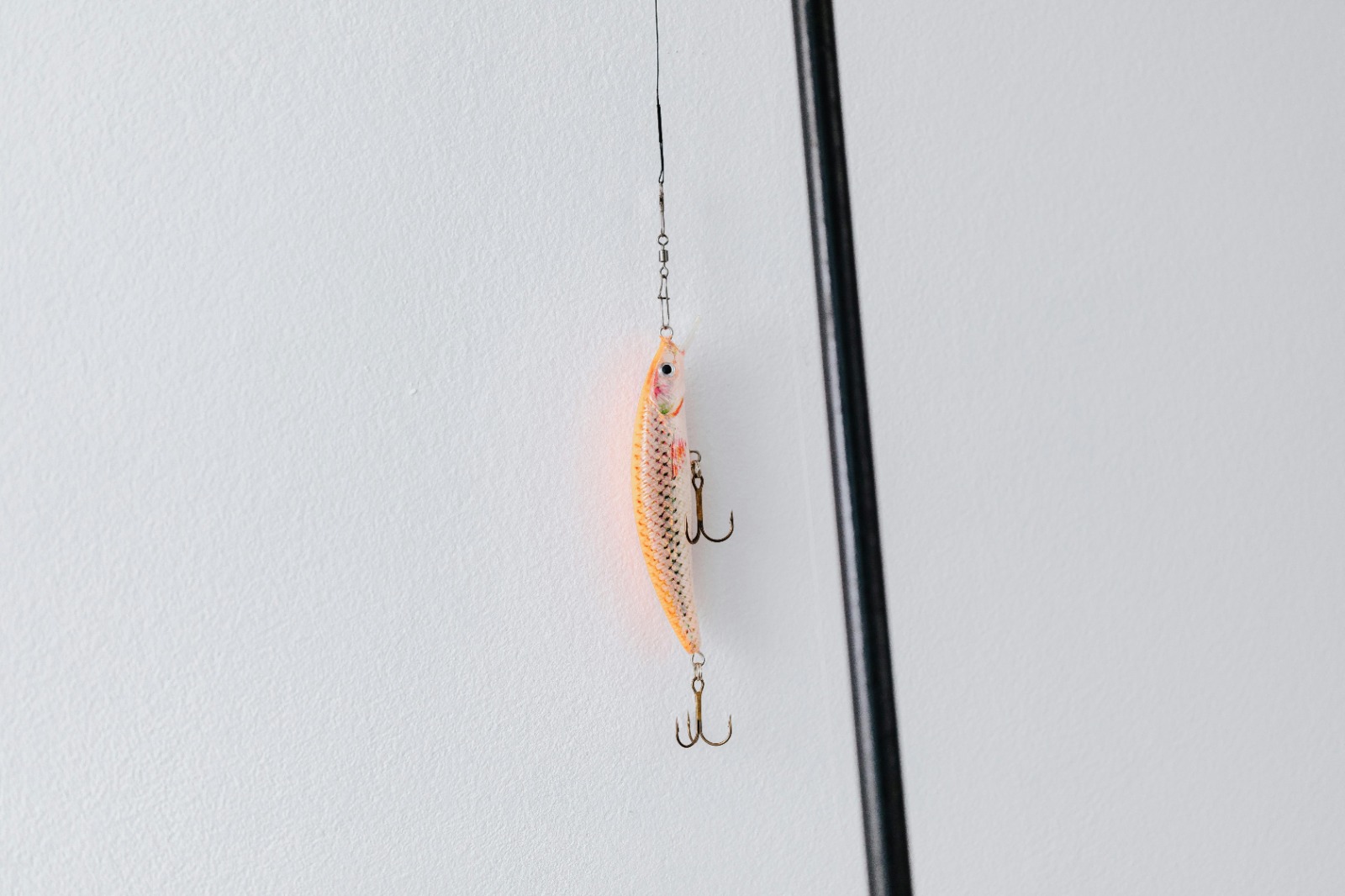
Fly fishing is more than a hobby; it’s an art that combines skill, patience, and preparation. To truly enjoy this rewarding sport, understanding which Fly fishing accessories to bring can make the difference between a successful day on the water and a frustrating one. From rods and reels to waders and flies, every piece of gear has its purpose. In this guide, we’ll walk you through the essential fly fishing accessories, why they matter, and how to pack smartly for your next adventure.
Essential Fly Fishing Gear
Rods and Reels
Your rod and reel are the heart of your fly fishing setup. Fly rods are rated by weight, typically from 1 to 12, which corresponds to the size of fish you’re targeting. A 5-weight rod is versatile for most freshwater species, while a heavier rod is suitable for larger fish or saltwater fishing. Your reel should match the rod weight and offer smooth drag for handling fish effectively. Investing in high-quality rods and reels ensures durability and performance.
Fly Line and Leaders
Fly line comes in various types: floating, sinking, and weight-forward. The right choice depends on water conditions and fish species. Leaders connect your fly to the line and taper down to the tippet, providing invisibility and flexibility. Properly selected fly lines and leaders increase casting accuracy and improve your chances of landing fish.
Flies and Fly Box
Flies mimic natural prey and are the main attractors for fish. Stock a variety of dry flies, wet flies, nymphs, and streamers. Organizing them in a fly box helps you quickly access the right fly for changing conditions. Seasonal patterns and local hatch charts can guide your selections.
Clothing and Protective Gear
Waders and Boots
Waders allow anglers to comfortably stand in rivers or streams without getting wet. Breathable waders are ideal for long hours on the water, while neoprene offers extra warmth in cold conditions. Pair them with sturdy, non-slip boots for safety on slippery surfaces.
Clothing Layers
Dress in layers to adapt to changing weather conditions. Moisture-wicking base layers keep you dry, insulating mid-layers retain heat, and waterproof outer layers protect against rain and splashes. Hats and polarized sunglasses enhance visibility and protect you from sun glare.
Gloves and Accessories
Fishing gloves protect your hands from cold water and provide better grip on slippery fish. Additional accessories like buff scarves, sun sleeves, and insect repellents improve comfort and safety during long days outdoors.
Tools and Essentials
Forceps, Nippers, and Knot Tools
These small tools are indispensable for handling fish safely, trimming lines, and tying secure knots. Quality forceps can remove hooks with minimal stress on the fish, while nippers make cutting tippet lines quick and precise. Knot tools help ensure your flies are attached securely, reducing the risk of losing fish.
Landing Nets and Strike Indicators
Landing nets prevent fish from escaping once hooked and reduce handling stress. Strike indicators signal when a fish bites, making nymph and wet fly fishing more effective. Both tools enhance efficiency and protect fish during catch-and-release practices.
Tackle Boxes and Storage
Organized storage is crucial for managing your fly fishing accessories. Compact tackle boxes with compartments for flies, tools, and spare lines keep your gear accessible. Waterproof bags and cases prevent damage from water exposure and keep everything in optimal condition.
Electronics and Extras
Fishing Watches and GPS
Modern anglers often use fishing watches to track time, location, and even tide patterns. GPS devices or smartphone apps help navigate remote rivers and track fishing spots. While not essential, these electronics can enhance planning and efficiency.
Camera and Binoculars
Documenting your catches or scouting distant water is easier with cameras and binoculars. They also help observe fish behavior and environmental changes, giving you a tactical advantage on the water.
Packing Tips for Fly Fishing Trips
Weight Distribution and Accessibility
When packing, distribute weight evenly to avoid strain while hiking to fishing spots. Place frequently used items like flies, tools, and nippers in easily accessible compartments. Less-used items can go in the lower sections of your pack.
Modular Packing
Consider using modular packing systems where gear is grouped by function. For instance, all fly-related items in one box, safety gear in another, and clothing in a separate compartment. This method saves time and reduces stress while fishing.
Weather and Environment Considerations
Adjust your gear selection based on weather, water conditions, and the type of fish targeted. For colder environments, pack extra layers and hand warmers. In sunny climates, prioritize sun protection and hydration accessories.
Conclusion: Mastering Your Fly Fishing Experience
Choosing the right fly fishing accessories is as important as mastering casting techniques. Each piece of gear, from rods and reels to specialized tools and clothing, plays a vital role in ensuring a successful, enjoyable, and safe fishing experience. By packing thoughtfully and considering the environment, fish species, and your personal comfort, you maximize your chances of landing trophy fish and creating lasting memories. Remember, preparation is key: assemble your essentials, organize them efficiently, and step onto the water ready for any challenge. With the right accessories and a smart approach, your next fly fishing adventure will be as rewarding as it is unforgettable.