
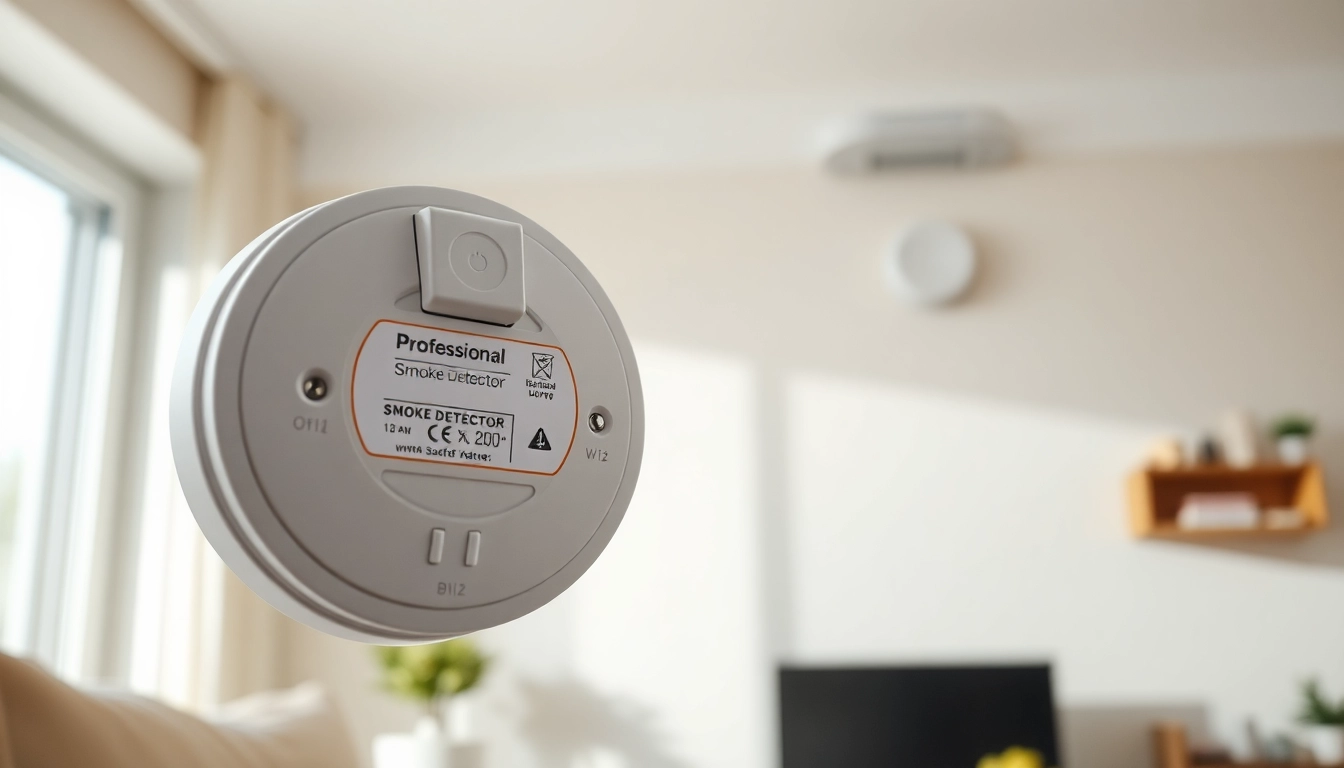
Understanding Smoke Detector Batteries
Smoke detectors are essential safety devices that can save lives by alerting you to the presence of smoke or fire. However, their effectiveness heavily relies on the type and condition of the smoke detector battery powering them. Understanding the nuances of smoke detector batteries—from their types to maintenance—is crucial for ensuring optimal functionality and safety in your home.
What Types of Smoke Detector Batteries Exist?
Smoke detectors typically use one of four types of batteries: alkaline, lithium, rechargeable, and hardwired with battery backup.
- Alkaline Batteries: The most common type, alkaline batteries are generally affordable and widely available. They typically provide reliable service for a year before needing replacement.
- Lithium Batteries: Known for their longevity, lithium batteries can last up to 10 years. They are often used in smoke detectors that are designed for long-term use, reducing the frequency of battery changes.
- Rechargeable Batteries: These are typically found in smoke detectors that utilize a plug-and-charge system. They not only save money over time but are also an environmentally friendly alternative.
- Hardwired with Battery Backup: Many modern smoke alarms are wired into the home’s electrical system, with a rechargeable battery backup that kicks in during power outages.
How Long Do Different Batteries Last?
The duration that a smoke detector battery lasts can significantly vary depending on the type of battery used, the detector model, and the frequency of its use. Here’s a breakdown of average battery life:
- Alkaline batteries last approximately 6 to 12 months.
- Lithium batteries can last from 5 to 10 years, depending on the brand and usage.
- Rechargeable batteries last about 2 to 3 years before they require replacement.
It’s essential to pay attention not just to battery life but also to the smoke detector itself. Many units have a ‘chirping’ indicator that signals when the battery is low, reminding you to replace it promptly.
Common Myths About Smoke Detector Battery Usage
Several myths can lead to misconceptions about smoke detector batteries that can compromise safety:
- Myth 1: All batteries last the same amount of time. In reality, battery longevity is contingent upon the type, usage, and environmental conditions.
- Myth 2: You only need to change batteries when the alarm chirps. It is advisable to replace smoke detector batteries at least once a year, regardless of the chirp status.
- Myth 3: Rechargeable batteries are maintenance-free. Rechargeable batteries still require periodic testing and eventual replacement.
Choosing the Right Battery for Your Smoke Detector
Choosing the right battery is vital for maintaining the reliability of your smoke detector. The correct battery will ensure that your alarm functions effectively and provides maximum safety. Here are some factors to consider:
Evaluating Battery Types: Alkaline vs. Lithium
When choosing between alkaline and lithium batteries, consider the pros and cons of each:
- Alkaline:
- Pros: Cost-effective, readily available.
- Cons: Needs replacement every year, may leak if left too long in the device.
- Lithium:
- Pros: Longer lifespan, more reliable, usually have a built-in expiration date.
- Cons: Higher upfront cost.
How to Determine the Right Voltage and Size
When purchasing a battery, check the smoke detector’s specifications to find the correct voltage and size. Common sizes include:
- 9V batteries for most residential smoke detectors.
- 10-year sealed lithium batteries for newer models.
Always consult the user manual for your smoke detector to ensure proper battery selection.
Factors to Consider in Your Home Environment
Your home’s environment plays a significant role in determining the best battery type. Consider factors such as:
- Temperature: Extreme heat or cold can affect battery performance.
- Humidity: High humidity areas may lead to battery corrosion.
- Usage Frequency: Homes with more frequent use of electric appliances may experience more false alarms, affecting battery longevity.
Installation and Maintenance Best Practices
Once you’ve selected the right battery, proper installation and maintenance are critical to ensuring your smoke detector works effectively when needed. Here’s how to do it:
Step-by-Step Guide to Installing Smoke Detector Batteries
- Turn off the smoke detector or remove it from the wall/ceiling.
- Open the battery compartment, typically located at the back of the unit.
- Insert the new battery, ensuring the positive and negative connections are aligned correctly.
- Close the battery compartment securely.
- Test the smoke detector to ensure functionality by pressing the test button.
Regular Maintenance Checks for Optimal Performance
Regular maintenance is essential for the longevity of your smoke detector battery. Follow these simple steps:
- Test your smoke detector at least once a month by pressing the test button.
- Replace batteries at least once a year, or whenever you hear the low battery chirp.
- Clean the smoke detector periodically, using a dry cloth or a vacuum with a soft brush attachment to remove dust.
Signs You Need to Replace Your Smoke Detector Battery
It’s crucial to recognize the signs that indicate a battery replacement is necessary:
- Frequent chirping noise.
- Yellowing around the battery compartment.
- Failure to register tests during regular check-ups.
Maximizing Safety with Smart Choices
Integrating smart technology into your home can enhance the safety features of smoke detectors significantly. Let’s explore some of the options available:
Integrating Smart Technology with Traditional Detectors
Smart smoke detectors offer additional features compared to traditional models, such as smartphone alerts and self-checking systems. Consider models that integrate with home security systems or smart home hubs for increased safety.
Exploring Backup Power Options for Smoke Detectors
Choose smoke detectors equipped with secondary power features or battery backups. Employing hardwired smoke detectors can ensure they remain operational during power outages, which is critical for safety.
Importance of having a Reliable Battery Supply
Maintaining a reliable supply of high-quality batteries is crucial for safety. By keeping spare batteries on hand, you can ensure swift replacements and reduce downtime, further enhancing your home’s safety profile.
Performance Metrics and Safety Outcomes
Understanding performance metrics and analyzing safety outcomes of smoke detectors can empower homeowners to make informed decisions. Here’s what to consider:
How to Evaluate Your Smoke Detector Battery’s Performance
An efficient way to assess battery performance is through regular tests. Use the following metrics:
- Response time during tests to see how quickly the alarm activates.
- Battery life in consistent use over time.
- Failure rates, tracking how often alarms do not respond correctly.
Comparing Brands for Quality Assurance
There are numerous brands on the market offering smoke detector batteries, each with varying quality and performance. Look for brands that meet established safety standards and have positive reviews from consumers.
Real-Life Impact of Reliable Smoke Detector Batteries
Reliable batteries are essential for maximizing the effectiveness of smoke detectors. According to studies, homes equipped with functioning smoke detectors reduce the likelihood of fire-related fatalities by over 50%. Ensuring that your smoke detector functions optimally—through routine testing, regular maintenance, and timely battery replacements—can make a significant difference in emergency situations.