Understanding Island Light Fixtures
What are Island Light Fixtures?
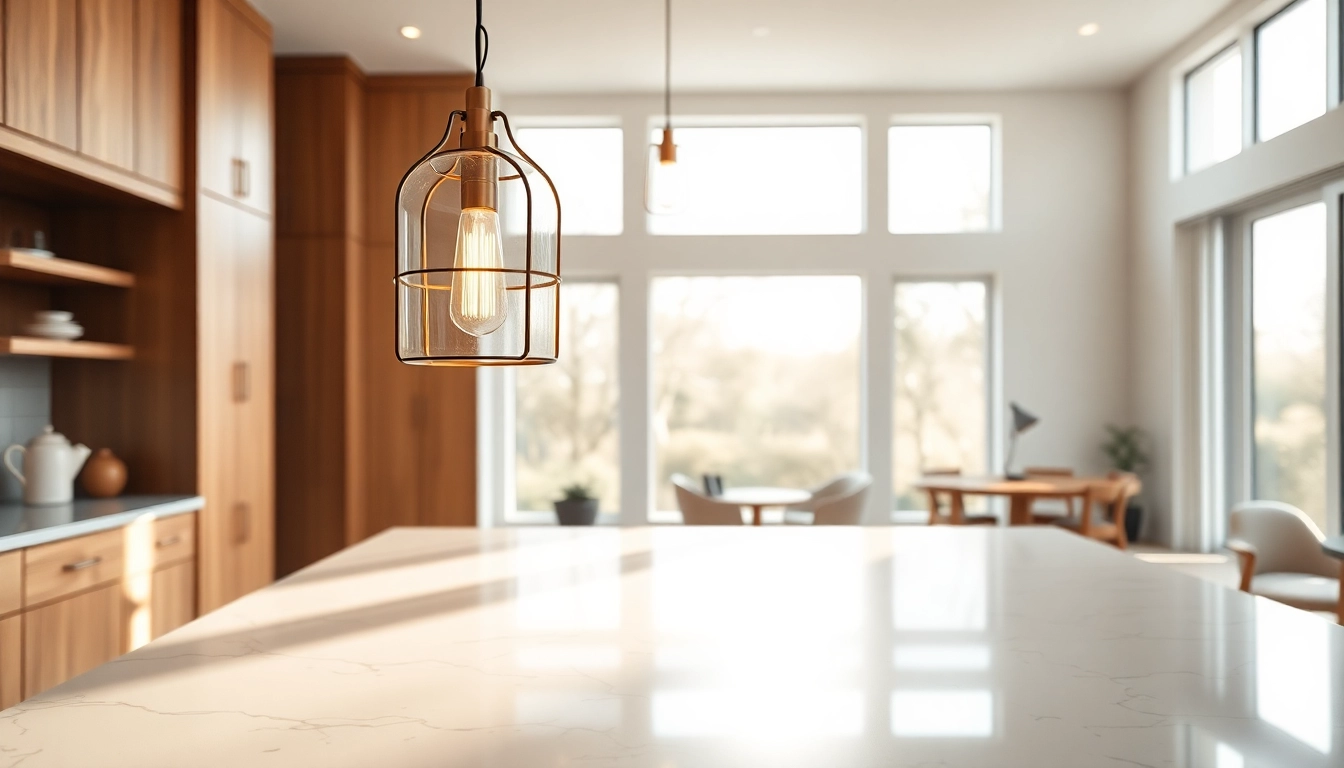
Island light fixtures are specialized lighting solutions designed primarily for illuminating kitchen islands or dining areas. These fixtures not only provide necessary light for food preparation and dining but also serve as aesthetic enhancements. Typically suspended from the ceiling, they come in various styles and can be made from an array of materials, including glass, metal, and wood, allowing them to blend seamlessly with any interior format.
Benefits of Using Island Light Fixtures
The advantages of integrating island light fixtures into your space can be numerous. Firstly, they improve the functionality of the area, providing adequate light for tasks while enhancing safety during food preparation or entertaining. Secondly, these fixtures can act as a focal point in your kitchen or dining area, setting the design tone and complementing your overall interior theme. The island light fixtures are also available in energy-efficient options, like LEDs, which can lead to reduced electricity costs and a smaller carbon footprint. Finally, they can elevate the ambiance by establishing a warm and inviting atmosphere, essential for gatherings or family meals.
Different Styles of Island Light Fixtures
Island light fixtures are available in a variety of styles to suit different tastes and design preferences. Some popular styles include:
- Modern: Featuring sleek lines and minimalistic designs, these fixtures often incorporate metallic finishes and geometric shapes.
- Rustic: Made from natural materials like wood or wrought iron, rustic fixtures provide a cozy, homey vibe.
- Industrial: Characterized by an edgy design with exposed bulbs and raw finishes, industrial fixtures often work well in loft-style settings.
- Traditional: These fixtures exude classic elegance, often showcasing ornate details and rich materials such as brass or crystal.
- Transitional: A blend of modern and traditional elements, transitional fixtures offer versatility and can fit into almost any decor style.
Choosing the Right Island Light Fixtures
Factors to Consider Before Purchase
Before selecting island light fixtures, it’s crucial to evaluate several factors to ensure they meet your needs:
- Size: The size of your fixture should correspond to the dimensions of your island. Larger spaces can accommodate bigger pieces, while smaller islands warrant more compact options.
- Height: Consider the height at which your fixture will be hung. Standard practice recommends fixtures be installed 30-36 inches above the countertop.
- Style: Ensure the fixture’s design complements your kitchen’s overall style and aesthetic.
- Lighting Needs: Determine the type of ambiance you wish to create, be it bright and task-oriented or warm and cozy.
Matching Fixtures with Your Interior Design
Coordination between the island light fixtures and other elements in your home is essential for achieving a cohesive look. Consider the color palette, materials, and existing fixtures in adjacent areas. For contemporary spaces, sleek finishes like brushed nickel or chrome can enhance the modern feel, while trying rustic woods or wrought iron in farmhouse-style homes complements that warm, inviting atmosphere.
Electrical Considerations for Installation
When planning your installation, it’s important to consider the electrical requirements of your chosen fixtures. Ensure the recommended wattage and type of bulb align with your electrical system. Consulting with a licensed electrician can help to ensure your wiring can handle the power needs of your new fixtures, especially if you are opting for larger or multiple fixtures.
How to Install Island Light Fixtures
Necessary Tools and Materials
For a successful installation, gather the following tools and materials:
- Phillips screwdriver
- Wire cutter/stripper
- Voltage tester
- Drill
- Measuring tape
- Mounting hardware (often included with the fixture)
- Electrical tape and wire connectors
Steps for Safe Installation
Follow these steps for a safe and effective installation:
- Ensure power is turned off at the breaker before starting any electrical work.
- Remove the old fixture, if applicable, and carefully disconnect the wiring.
- Follow the manufacturer’s instructions to connect your new fixture’s wires, typically color-coded as black (live), white (neutral), and green or copper (ground).
- Secure the fixture to the ceiling using the provided mounting hardware.
- Adjust the height as required by your design and safety considerations.
- Restore power and test the fixture to ensure it operates correctly.
Common Mistakes to Avoid
Installation can be fraught with pitfalls. Here are the key missteps to avoid:
- Overlooking the height: Adjusting fixtures at an incorrect height can block sightlines or create poor lighting.
- Insufficient power: Not verifying the electrical system can lead to circuit overloads.
- Ignoring local codes: Failing to adhere to local electrical codes can lead to unsafe conditions and legal issues.
- Neglecting style coherence: Choosing a fixture that clashes with your home’s decor can detract from the space’s aesthetics.
Maintenance of Island Light Fixtures
Cleaning and Care Tips
To keep your island light fixtures looking their best, regular cleaning is essential. Use a microfiber cloth to dust surfaces and avoid abrasive cleaners which can scratch finishes. For glass components, a gentle glass cleaner can restore clarity without damaging the material. Always check installation manuals for material-specific care instructions.
Replacing Bulbs and Fixtures
When the time comes to replace bulbs or fixtures, adhere to the manufacturer’s recommendations regarding bulb type and specifications. For replacing entire fixtures, ensure power is turned off, and follow installation steps carefully. Regular inspections of your fixtures can also help catch any wear early and maintain optimal function.
When to Call a Professional
There are occasions where professional help may be warranted. If you are unsure about your electrical skills, hiring a licensed electrician can ensure safety and adherence to code. Additionally, if your fixture has complex requirements or if you encounter unexpected wiring issues, professionals can handle repairs and installations more efficiently.
FAQs About Island Light Fixtures
Are island light fixtures energy-efficient?
Yes, many island light fixtures now come with energy-efficient LED options to save on power, reducing overall energy costs.
How high should I hang island light fixtures?
For optimal illumination, fixtures should be hung 30-36 inches above the countertop or island for the best functionality and aesthetics.
Can I use island light fixtures in other rooms?
Absolutely! They can complement dining areas, living rooms, or even home offices beautifully, enhancing space and style.
What size island light fixture do I need?
The size of the light fixture should be proportional to the island; larger fixtures suit wider islands better while allowing adequate lighting.
Do I need a special type of bulb for island light fixtures?
It depends on the fixture; always check compatibility with LED, halogen, or incandescent bulbs as needed as per manufacturer guidelines.