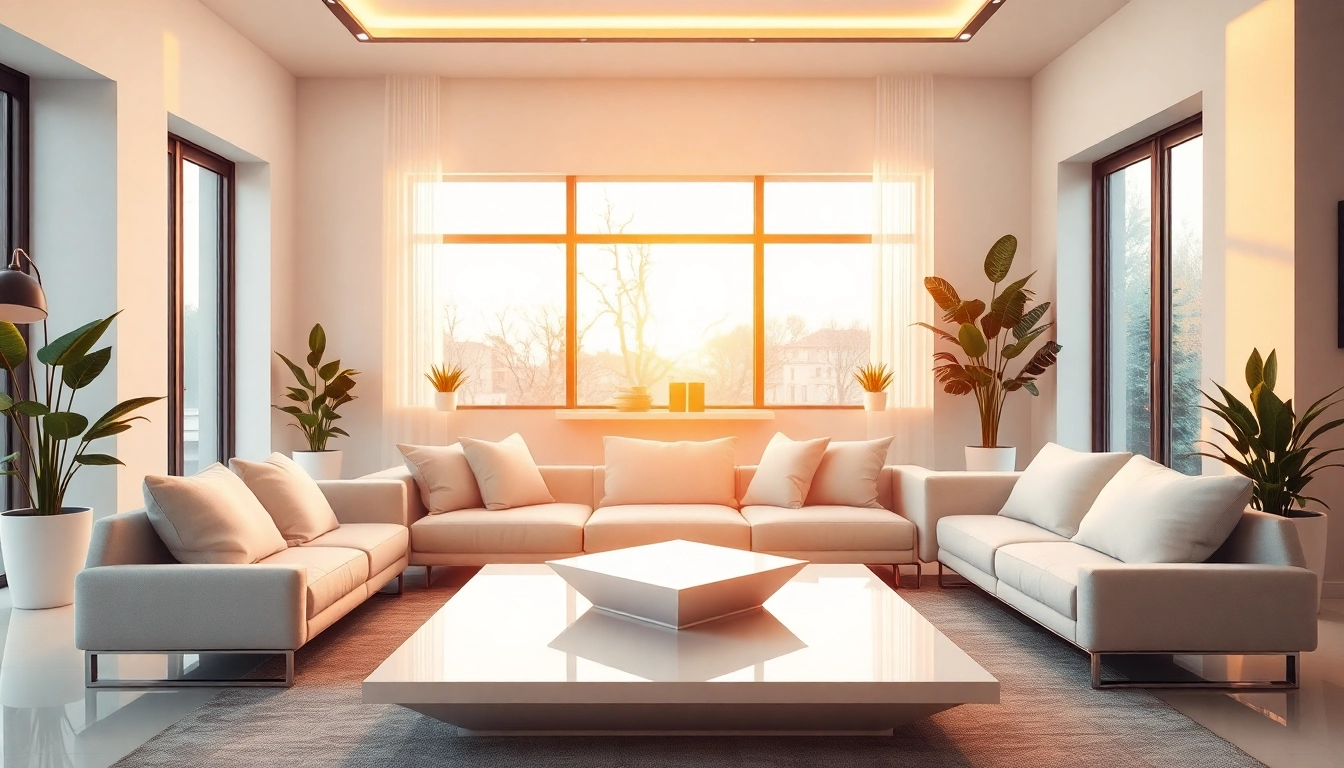
Understanding the Principles of Sleek Illumination
In a world where aesthetics play a crucial role in our living spaces, the concept of Sleek Illumination has emerged as a leading trend. This approach to lighting emphasizes sophistication, simplicity, and effectiveness, marrying form and function in a way that enhances modern design. Exploring the foundational principles behind sleek illumination allows designers and homeowners to curate environments that not only look exquisite but also promote well-being and functionality.
The Role of Lighting in Modern Design
Lighting is an essential component of interior design. It shapes the ambiance and mood of a space, influencing how furniture, textures, and colors are perceived. Modern design increasingly favors minimalism, where less is more, and lighting plays a key role in achieving that depth of simplicity. Sleek illumination integrates seamlessly into this framework by employing lighting that enhances the architectural features of a room while remaining unobtrusive.
Key Elements of Sleek Illumination
Sleek illumination is characterized by several key elements:
- Clean Lines: Fixtures with geometric shapes provide a streamlined look that aligns with contemporary aesthetics.
- Energy Efficiency: Utilizing LED technology not only contributes to sustainability but also results in a sleek and modern light output.
- Layered Lighting: Combining ambient, task, and accent lighting creates a dynamic environment that can be adjusted based on needs.
- Color Temperature: A preference for 2700K to 3000K color temperatures offers a warm and inviting glow without compromising modernity.
How to Choose the Right Light Fixtures
Choosing the right light fixtures is fundamental to executing sleek illumination in any space. Consider these practical tips:
- Assess Functionality: Identify the main activities in the room and select fixtures that enhance those functions. For example, consider adjustable lighting in work areas.
- Prioritize Aesthetics: Choose designs that complement the overall decor. Fixtures should serve as both functional elements and decorative features.
- Factor in Scale: Select fixtures that are proportionate to the room’s dimensions. Oversized fixtures in small rooms can overwhelm, while too-small fixtures may seem inconsequential.
- Integrate Smart Technology: Smart lighting solutions enable control over brightness and mood, fitting perfectly with the sleek design while improving usability.
Implementing Sleek Illumination in Your Space
Implementing sleek illumination requires a careful blend of aesthetic and functional considerations. By understanding the needs of different spaces, homeowners and designers can create lighting systems that are both visually captivating and practical.
Lighting Techniques for Different Room Types
Each room serves a unique purpose; therefore, the application of sleek illumination differs:
- Living Rooms: Use a mix of ambient and accent lighting. Consider recessed lighting combined with floor lamps to create cozy vibes.
- Kitchen: Opt for task lighting under cabinets while utilizing pendant lights over islands to focus attention on vital cooking spaces.
- Bedrooms: Soft, dimmable fixtures contribute to a calming atmosphere. Layer bedside lamps with ceiling lights to offer versatility in lighting options.
- Bathrooms: Employ fixtures with high CRI (Color Rendering Index) ratings to ensure accurate color representation, enhancing personal grooming routines.
Layering Light for Maximum Effect
Layering is essential in achieving well-balanced sleek illumination. The combination of different lighting types enhances depth and interest:
- Ambient Lighting: The base layer that fills the room with gentle, even light.
- Task Lighting: Directed light for specific activities, such as reading or cooking.
- Accent Lighting: Highlights artwork or architectural features, adding drama and sophistication.
Strategically layering these elements allows for dynamic ambiance adjustments throughout the day. For example, softer ambient lighting may be preferred in the evening, while brighter task lighting is beneficial during the day.
Considerations for Color Temperature
Color temperature significantly influences the overall feel of a space. Warmer temperatures (2700K-3000K) promote comfort and intimacy, ideal for living spaces. Cooler temperatures (3500K-4100K) work well in workspaces, enhancing focus and energy. Understanding and utilizing appropriate color temperatures for different areas of the home is crucial in the sleek illumination approach.
Common Mistakes in Achieving Sleek Illumination
Despite the best intentions, several common pitfalls can hinder the effective implementation of sleek illumination. Awareness of these can prevent frustrating missteps.
Overly Bright vs. Underlit Spaces
Striking a balance is key. An overly bright room can induce discomfort, while underlit spaces can feel uninviting. A well-planned lighting scheme, incorporating dimmers and layered techniques, allows for flexible adjustments, creating the perfect atmosphere for every occasion.
Ignoring the Impact of Natural Light
Natural light significantly enhances sleek illumination by adding texture and warmth. When planning lighting, it is vital to consider how natural light interacts with artificial sources throughout the day. Using sheer window treatments can diffuse harsh light while maintaining brightness.
Using Inconsistent Lighting Styles
Consistency across lighting styles is key to achieving sleek illumination; employing disparate styles can create visual dissonance. Stick to a unifying theme or color palette across light fixtures to maintain cohesion and elegance.
Case Studies of Successful Sleek Illumination
The effectiveness of sleek illumination can be seen in a variety of settings, from residential spaces to commercial venues. Below are a few case studies that exemplify these principles in action.
Residential Examples of Effective Use
A prime example is a modern apartment living room looking out over a cityscape. Minimalist pendant lighting is suspended over the coffee table, providing task lighting, while recessed fixtures in the ceiling create ambient light. The balance opens up the space while drawing the eye to the beautiful view beyond the windows.
Commercial Spaces and Their Lighting Choices
In a high-end retail store, sleek illumination directs attention to products through the use of track lighting focused on display areas. The overall color temperature remains consistent, drawing customers in without overwhelming them, thereby enhancing their shopping experience.
Transformative Projects Highlighting Sleek Illumination
A noteworthy transformative project is a restaurant that underwent a complete redesign to embrace sleek illumination. Warm pendant lights with clean lines hung over dining tables, while subtle wall washes highlighted art pieces. This cohesive design improved the atmosphere, attracting more patrons due to the inviting ambiance.
FAQs about Sleek Illumination
What is sleek illumination?
Sleek illumination refers to a modern lighting approach that emphasizes sophistication and minimalism, typically using clean lines and stylish fixtures.
How can I achieve sleek illumination in my home?
Focus on high-quality lighting fixtures, strategically layer light, and pay attention to color temperature to create a cohesive look.
What types of lighting are best for sleek illumination?
LED lights, recessed lighting, and pendant fixtures often work best, as they offer a clean aesthetic and energy efficiency.
How does natural light affect sleek illumination?
Natural light enhances sleek illumination by adding warmth and dimension; consider window treatments that complement your lighting scheme.
Can I mix different lighting styles for sleek illumination?
Yes, but it's important to maintain a consistent look and feel across fixtures to ensure a harmonious balance in the overall design.