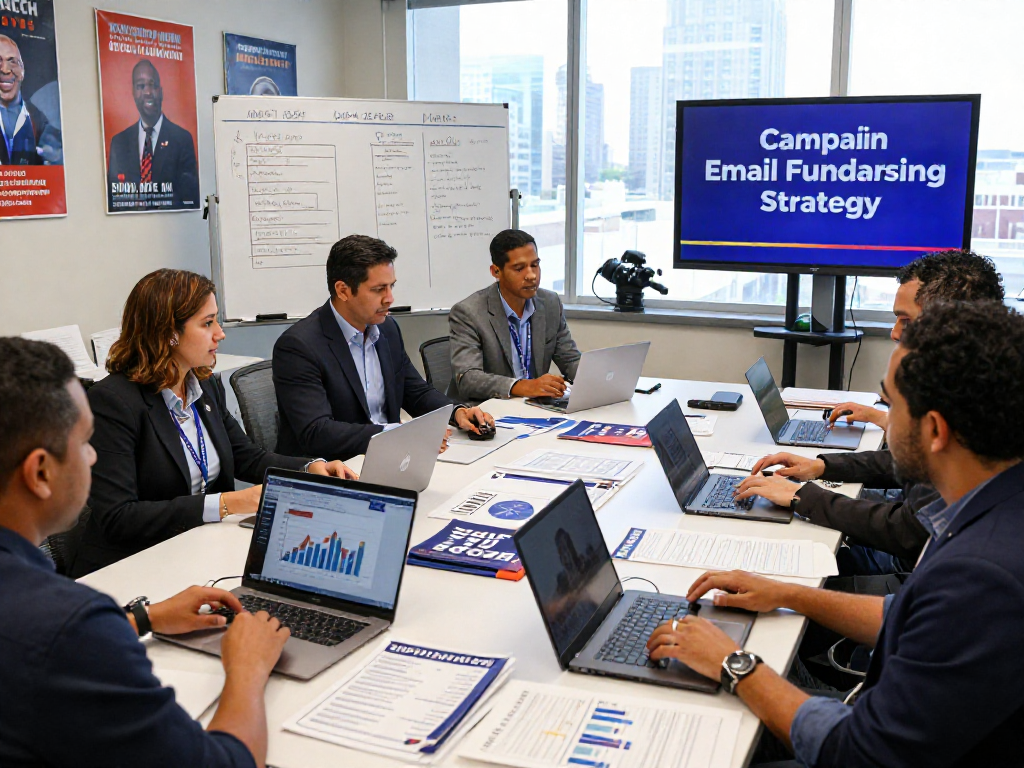
Understanding Campaign Email Fundraising Strategies
In today's fast-paced political arena, email fundraising remains a cornerstone of effective campaign strategies. As we approach 2026, the landscape is evolving, demanding a nuanced understanding of how to maximize engagement and contributions through this channel. Campaign email fundraising is not just about sending out messages; it's about leveraging data-driven insights to connect with voters on a personal level.
What is Campaign Email Fundraising?
Campaign email fundraising refers to the strategic use of email communications to solicit donations for political campaigns. It involves sending tailored messages to supporters and potential voters, encouraging them to contribute financially to the campaign’s efforts. This method has proven effective due to its directness and the ability to reach a large audience with minimal cost.
The Importance of Email in Political Campaigns
Emails serve as a vital tool for political campaigns. Unlike social media platforms where algorithms govern visibility, emails reach the inboxes of supporters directly. This direct line of communication fosters a sense of community and engagement, essential for nurturing relationships with voters. Furthermore, with an average return on investment (ROI) of $42 for every dollar spent, email fundraising is an essential strategy for any campaign.
Key Metrics for Measuring Success
To evaluate the effectiveness of email fundraising campaigns, consider tracking the following metrics:
- Open Rates: The percentage of recipients who open your emails. An open rate between 20-30% is considered healthy.
- Click-Through Rates (CTR): The percentage of readers who click on links within the email, a key indicator of engagement.
- Conversion Rates: The percentage of recipients who take the desired action, such as donating. A good conversion rate usually falls between 1-3% for fundraising emails.
- Unsubscribe Rates: Monitoring how many recipients are opting out can help assess the effectiveness of your message and frequency.
Building Your Email List for Maximum Impact
As the backbone of your email fundraising campaign, a robust email list is essential. To maximize its impact, systematic strategies need to be employed for list acquisition and management.
Best Practices for Voter Data Acquisition
To build an effective email list, begin by acquiring verified voter data. Use services that provide comprehensive and updated voter files, ensuring that you're reaching the right audience. Consider integrating sign-up forms on your campaign website and social media platforms to capture supporter information effectively.
Segmentation Strategies for Effective Targeting
Segmentation is key to delivering personalized content that resonates with voters. Divide your email list based on demographics, past donation behavior, engagement levels, and geographical location. Tailored messages can significantly improve engagement and conversion rates, as supporters are more likely to respond to content that speaks directly to their interests and concerns.
Integrating Voter Data into Campaign Emails
Utilizing voter data can enhance the personalization of your emails. Use names in the subject line and body, reference previous interactions, and align content with specific regional issues or voter concerns. The more relevant your emails are, the higher the likelihood of eliciting a positive response.
Crafting Compelling Email Content
Content is king in the world of email marketing. Your emails should not only inform but also inspire action.
Writing Engaging Subject Lines
The subject line is your first impression. It should be compelling enough to motivate the reader to open the email. Utilize urgency, curiosity, or personal touches to capture attention—consider phrases like "Join Us in Making History" or "Your Support Can Change Lives."
Creating Valuable Call-to-Actions
A powerful call-to-action (CTA) is crucial for converting interest into donations. Phrases like “Donate Now” or “Become a Volunteer” should be clear and compelling, using action-oriented language that encourages immediate response. Place CTAs prominently within the email to ensure they are noticeable.
Utilizing Personalization Techniques
Personalization goes beyond using a recipient’s name. Tailor content based on their past interactions with your campaign, such as previous donations or volunteering efforts. Emails that reflect the recipient's experiences and preferences foster deeper connections and encourage ongoing engagement.
Optimizing Email Campaign Performance
Once your campaigns are launched, continuous optimization is necessary to ensure effectiveness and maximize fundraising efforts.
Using A/B Testing for Better Results
A/B testing allows you to experiment with various elements of your emails—such as subject lines, content formats, or CTAs—to determine which versions yield the best results. Testing should be conducted regularly to refine your strategies and improve overall performance.
Analyzing Open and Click-Through Rates
These two metrics are critical in understanding how well your emails are resonating with audiences. If open rates are low, consider revising your subject lines or sending times. If CTRs are subpar, focus on your email content and CTAs to enhance user engagement.
Adjusting Strategies Based on Data Insights
Data is invaluable for informing future email campaigns. Regularly review performance data and adjust your strategies accordingly. If a particular type of content garners higher engagement, consider incorporating similar themes into future emails.
Future Trends in Campaign Email Fundraising
As we dive deeper into 2026, the email fundraising landscape will continue to evolve, influenced by technological advancements and changing voter behaviors.
Emerging Technologies for 2026 and Beyond
Expect to see an increased reliance on AI and machine learning tools that personalize email experiences at scale. These technologies will allow campaigns to automate targeting and optimize sending times, enhancing overall effectiveness.
Predicted Changes in Voter Engagement
With younger demographics becoming more politically active, campaigns will need to adapt their email strategies to match their preferences. This may include a higher emphasis on mobile optimization and interactive content that encourages engagement.
Shift towards Multi-Channel Fundraising Approaches
While email will remain a critical tool, the integration of multiple channels—such as social media, text messaging, and direct mail—will become increasingly important. Campaigns that create cohesive multi-channel strategies are likely to achieve greater success.
What are the best practices for campaign email fundraising?
Effective practices include segmenting your audience, personalizing content, and continually optimizing your strategies based on performance data. Regularly engaging with your supporters through relevant and timely emails will enhance fundraising success.
How can data help in fundraising strategy development?
Data drives informed decision-making. It allows campaigns to identify potential donors, understand voter behavior, and segment audience lists for targeted messaging, making your efforts more effective.
What emerging trends should campaigns focus on in 2026?
Key trends include leveraging AI for personalization, adapting to changing voter demographics, and embracing a multi-channel approach to fundraising. Campaigns that stay ahead of these trends will better connect with voters and boost their fundraising efforts.
How do I segment my email list for better results?
Segment your list based on demographic information, past donation behavior, engagement levels, and key issues that resonate with your supporters. This tailored approach allows you to send more relevant content that increases the likelihood of engagement and donations.
What tools are essential for measuring fundraising success?
Essential tools include email marketing platforms with analytics capabilities, customer relationship management (CRM) software for tracking donor interactions, and data visualization tools to help understand trends and metrics.