


Understanding the Expanded Flat Elliott Wave: A Comprehensive Analysis
1. Introduction to Expanded Flat Elliott Wave
The Expanded Flat Elliott Wave is a fascinating pattern that traders use to interpret market movements. This formation is characterized by three waves that unfold in a specific manner, providing critical insights into market sentiment. Understanding this pattern can significantly enhance your trading strategy, particularly in volatile markets. In this article, we will delve into the intricacies of the expanded flat elliott wave, exploring its features, identification techniques, and strategies for effective trading.
1.1 What is the Expanded Flat Elliott Wave?
The Expanded Flat Elliott Wave is recognized within the Elliott Wave theory as a corrective pattern, typically denoting a retracement phase in the market. This formation consists of three waves labeled A, B, and C, where wave B surpasses the starting point of wave A, establishing a high point that is often considered the peak of the retracement. This structure models market reversals and provides traders with potential entry and exit points as trends shift.
1.2 Historical Context and Development
The roots of Elliott Wave analysis can be traced back to the work of Ralph Nelson Elliott in the 1930s. He proposed that financial market prices move in discernible patterns influenced by market psychology. Over the decades, traders and analysts have built upon Elliott’s ideas, refining patterns such as the expanded flat to capture market nuances more accurately. This development has made the expanded flat Elliott Wave an essential tool for many practitioners of technical analysis.
1.3 Importance in Technical Analysis
In technical analysis, recognizing expanded flat patterns is crucial as they provide insights into market corrections and potential reversals. Traders utilize this information to make informed decisions regarding entry and exit strategies. The reliability of the pattern as a predictive tool is enhanced by its historical performance, making it a fundamental component of many traders’ methodologies.
2. Identifying the Expanded Flat Elliott Wave Pattern
2.1 Key Characteristics and Features
Identifying the expanded flat Elliott Wave requires a keen eye for detail. The following characteristics define this pattern:
- Wave A: A downward movement that marks the beginning of the correction.
- Wave B: A significant upward movement that retraces beyond the start of Wave A.
- Wave C: A downward movement that typically extends beyond the end of Wave A, often making this pattern visually distinct.
This pattern’s length and duration can vary, but these fundamental traits remain consistent, allowing traders to classify formations accurately.
2.2 Visual Representation Examples
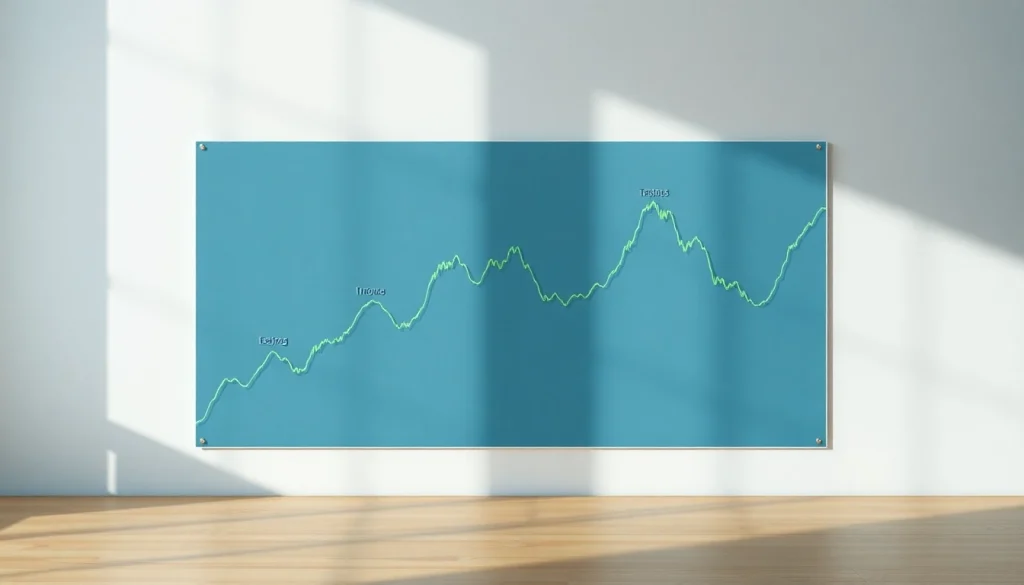
The visual representation of the expanded flat Elliott Wave is vital for comprehension. Typically illustrated on a price chart, the pattern appears as follows:
- Wave A forms a decline.
- Wave B rises sharply, creating a new high.
- Wave C concludes the pattern by moving downward.
Providing distinct price movements, this layout helps traders visualize where potential entry and exit points may lie as the market transitions.
2.3 Common Mistakes in Identification
One frequent error among traders is misidentifying the B wave as just another correction, failing to recognize it as a key component of the expanded flat pattern. Other mistakes include overlooking the requisite retracement of Wave B beyond the A wave’s starting point or misjudging the lengths of the waves. These errors can lead to poor trading decisions and financial losses, underscoring the need for thorough analysis when identifying these patterns.
3. Trading Strategies for Expanded Flat Elliott Wave
3.1 Entry and Exit Points
Developing a robust trading strategy around the expanded flat Elliott Wave involves pinpointing optimal entry and exit points. A common strategy is to enter a trade at the conclusion of Wave C, ideally as the price begins to rebound. Conversely, placing exit points at the peak of Wave B, considering the risk-reward ratio, can safeguard against excessive losses.
It’s advisable to use additional technical indicators, such as Relative Strength Index (RSI) and moving averages, to confirm these levels. These indicators help traders validate potential reversals and enhance decision-making.
3.2 Risk Management Techniques
In trading, risk management is paramount. For trades based on the expanded flat pattern, techniques such as setting stop-loss orders just below the conclusion of Wave C can protect against adverse price movements. Additionally, traders should diversify their portfolios and avoid concentrating too much capital in any single trade to decrease exposure risk.
3.3 Real-World Case Studies
To illustrate the practical application of the expanded flat Elliott Wave, let’s examine a hypothetical case study:
In a volatile market, a trader identified an expanded flat pattern forming over several weeks. After observing the completion of Wave C, the trader entered a buy position, leveraging RSI confirmation signaling oversold conditions. The market subsequently rallied, reaching the anticipated exit point at the height of Wave B, allowing the trader to secure a profitable trade. This case underscores the necessity of careful analysis and strategic entry points.
4. Tools and Resources for Analysis
4.1 Software for Charting Elliott Waves
Utilizing advanced charting software is essential for analyzing Elliott Wave patterns effectively. Platforms such as MetaTrader and TradingView offer robust features for drawing wave patterns, setting alerts, and even simulating trades. These tools can dramatically streamline the analysis process and help traders identify potential trades accurately.
4.2 Educational Materials and Books
Investing in educational resources can significantly enhance understanding and application of the expanded flat Elliott Wave. Numerous books by experts in technical analysis delve into advanced strategies and comprehensive guidelines for trading patterns like the expanded flat, providing invaluable context and practices for learners at all levels.
4.3 Community Forums for Discussion
Engaging with trading communities and forums allows traders to exchange ideas, garner insights, and learn from experienced practitioners. Participating in discussions about the expanded flat pattern can yield tips and real-life applications that textbooks might not cover, enriching one’s trading knowledge base.
5. Frequently Asked Questions
5.1 What differentiates an expanded flat from other Elliott waves?
The expanded flat distinctively features a B wave that surpasses the starting point of A, unlike traditional flats, which remain contained. This unique attribute allows for clearer market reversal signals.
5.2 How reliable is the expanded flat pattern for trading?
While no pattern is foolproof, the expanded flat has historically shown reliability, especially when combined with other technical indicators. Adequate analysis can enhance its predictive power in trading.
5.3 Can expanded flats occur in all market conditions?
Expanded flats can occur across various market conditions but tend to occur more frequently during volatile periods where sentiment shifts rapidly. Traders should remain vigilant to capture these movements.
5.4 What are the typical time frames for expanded flats?
The time frames for expanded flats can vary, ranging from minutes in day trading to weeks in longer-term trading strategies. The flexibility allows traders to adapt the pattern to their trading styles effectively.
5.5 How can I practice identifying these patterns?
Practicing identification of expanded flat patterns can be done using historical price charts. Simulating trades based on these patterns can also help traders refine their skills in recognizing and acting on these formations accurately.